
Why MTHFR Makes Midlife Weight Loss So Hard — and How to Work With Your Genes
Have you ever felt as though your body has changed overnight? What used to work for weight loss in your 30s suddenly stops working in your 40s or 50s. You eat well, you move regularly, yet the scales won’t budge, your energy dips, and brain fog creeps in.
If this sounds familiar, your genes—specifically a gene called MTHFR—may be part of the story.
What Is MTHFR and Why Does It Matter?
The MTHFR gene (methylenetetrahydrofolate reductase) plays a crucial role in a biochemical process called methylation—one of the body’s master systems for energy, detoxification, and hormone regulation.
When this gene isn’t functioning optimally due to a genetic variation (known as an SNP), the body may struggle to convert folate (vitamin B9) into its active form. As a result, essential processes slow down, including:
Detoxification and oestrogen clearance
Production of neurotransmitters that support mood and motivation
DNA repair and cellular energy metabolism
For many women in midlife, these changes can quietly amplify symptoms of fatigue, mood swings, stubborn weight gain, and hormonal imbalance.
How Methylation Affects Midlife Weight?

During perimenopause and menopause, hormonal shifts already place extra stress on the liver and detox pathways. Oestrogen dominance, sluggish thyroid activity, and increased inflammation all influence how efficiently we burn or store fat.
If methylation is compromised by an MTHFR variant, the body may have difficulty:
Clearing excess oestrogen, leading to fluid retention and fat storage around the hips, thighs, or mid-section.
Supporting thyroid hormone conversion, slowing metabolism and energy output.
Producing carnitine and creatine, key molecules for energy and fat metabolism.
Regulating homocysteine, an amino acid linked with inflammation and cardiovascular risk.
In short, poor methylation can leave the body stuck in a “slow-burn” state where energy production, detoxification, and hormone balance are all under strain—making weight loss feel impossible.
The Link Between Detox, Energy, and Metabolism
Your methylation cycle also feeds directly into your liver’s phase-2 detoxification systems. These are responsible for packaging up used hormones, toxins, and metabolic by-products so they can be safely excreted.
When methylation falters, these pathways back up—like traffic at rush hour. The body diverts energy into dealing with the backlog, leaving less available for metabolism, repair, and vitality.
This is one reason people with certain MTHFR variants often describe feeling “sluggish” or “toxic.” Supporting methylation helps to clear this metabolic congestion and restore momentum to energy and fat-burning processes.
Why Supplements Can Make a Difference
Nutrition is the foundation, but certain targeted supplements can support methylation and midlife metabolism—especially when chosen based on genetic and functional testing.
Key nutrients include:
Active B-vitamins – Methylated forms of folate (5-MTHF), B12 (methylcobalamin), and B6 (P5P) help bypass genetic inefficiencies.
Magnesium – A co-factor in over 300 enzymatic reactions, including those supporting energy production and stress resilience.
Choline – A vital methyl donor that aids fat metabolism and liver function.
Zinc and riboflavin (B2) – Support MTHFR enzyme activity and hormone metabolism.
Antioxidants such as NAC and glutathione – Help reduce oxidative stress and improve detox efficiency.
Functional testing helps identify which nutrients your body truly needs rather than guessing—an approach I use with clients every day. The Organic Acid Test is particularly good for fine tuning what you body needs and its current deficiencies or insufficiencies. You can order this test here.

Beyond MTHFR: Other Genetic Players
Your MTHFR gene doesn’t work in isolation. Other genes such as COMT, MTR, MTRR, and BHMT also influence methylation, neurotransmitter balance, and how efficiently your body handles stress, oestrogen, and toxins.
In the metabolics genetic report, I often see that genes affecting insulin sensitivity, mitochondrial function, and fatty-acid oxidation also play a part in why weight shifts become so stubborn in midlife.
Understanding these patterns gives us powerful insights into why your metabolism behaves the way it does—and how to fine-tune it with precision.
How to Support Methylation Naturally
Alongside personalised supplements, lifestyle changes can make a huge difference:
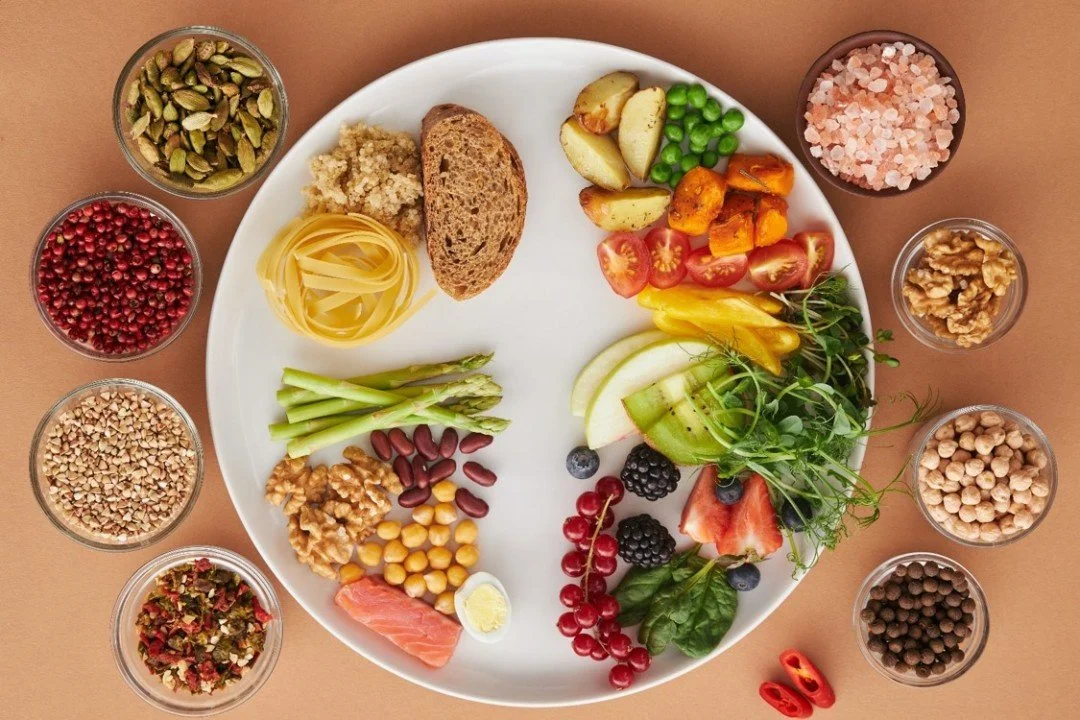
Eat a rainbow of vegetables for natural folate, magnesium, and antioxidants.
Include protein with each meal to stabilise blood sugar and support detox enzymes.
Prioritise hydration to keep elimination pathways flowing.
Manage stress with breathwork, journaling, or gentle movement—chronic stress depletes methyl groups.
Sleep and recovery are non-negotiable: methylation, repair, and hormone balance all depend on restorative rest.
Small, consistent steps often create the biggest impact.
Working With Your Genes, Not Against Them
The empowering part of nutrigenomics is that your genes are not your destiny—they’re your blueprint. When we understand your unique variants, we can personalise diet, supplements, and lifestyle interventions to help your body work smarter, not harder.
If you’re ready to understand your genetic blueprint and create a personalised plan for energy, balance, and long-term weight management, I’d love to guide you through the process.