
Your Stomach Doesn’t Have Teeth! Natural Ways to Support Your Gut Health
Bloating, cramping, reflux, constipation, loose stools and general digestive discomfort can affect every part of daily life, from energy and confidence to mood, sleep and social ease. This was me before I started my nutrition journey. Scared of leaving the house and not knowing where the nearest toilet was, affected my day-to-day living. You can read my story here.
The digestive system is not just about what you eat. It is about how you eat, how well you break food down, how effectively you absorb nutrients, and how balanced your gut environment is. Symptoms such as bloating, wind, nausea, diarrhoea and constipation can sometimes reflect issues with digestion, microbial balance, stomach acid, enzyme production, food reactions or gut function more broadly.
For many people, the first step is not a restrictive diet but going back to digestive basics.
1. Start with the foundations of digestion
One of the most overlooked parts of digestion is the cephalic phase, the stage that begins before you even take your first bite. Seeing, smelling and thinking about food helps prepare the body for digestion. Saliva and digestive secretions begin to rise, which helps the whole process work more efficiently.
This is why I often encourage clients to slow down before meals, sit properly, take a few breaths and allow the body to shift into a more relaxed state. Even this small change can help reduce bloating and post-meal discomfort for some people.
Another simple but powerful step is chewing thoroughly. Your stomach does not have teeth. If food is swallowed too quickly, it is harder to break down properly, which can leave it sitting heavily, fermenting and contributing to gas, bloating and poor absorption.
2. Consider whether stomach acid and digestive enzymes need support
Heartburn and reflux are often assumed to mean too much stomach acid, but in clinic this is not always the case. Stress, ageing and some medications may contribute to lower stomach acid, which can impair protein digestion and leave food sitting in the stomach longer than it should. This can contribute to fermentation, gas and reflux symptoms in some individuals.
Digestive enzyme production may also decline over time, and some people benefit from support through foods such as pineapple or papaya, or from practitioner-guided digestive support.
This is where personalisation matters. Digestive symptoms that look similar on the surface can have very different drivers underneath. One person may need meal hygiene and stress support. Another may need investigation into gut infections, inflammation, food reactivity or microbial imbalance. Another may benefit from looking at how their genes influence digestive resilience, inflammation, detoxification pathways and nutrient requirements.
If you want a clearer understanding of these root causes before committing to one-to-one work, the Gut Health Masterclass can give you an excellent overview. If you are ready to take action and follow a structured plan, the 21-day Gut Transformation Programme is designed to help you implement supportive food and lifestyle changes in a realistic, guided way.
3. Your gut microbiome matters more than many people realise
The microbiome plays a vital role in digestion, immunity, regularity and nutrient synthesis. When the balance of organisms in the digestive tract shifts in the wrong direction, sometimes described as dysbiosis, symptoms such as bloating, wind, altered bowel habits and digestive discomfort can follow.
Supporting the microbiome often starts with food. Fibre-rich plant foods, cruciferous vegetables, fermented foods and polyphenol-rich ingredients can all be helpful additions for many people, while reducing sugar and highly refined foods may also support better digestive balance.
That said, not every “healthy” gut food works for every gut. Some people with bloating, IBS-type symptoms or histamine issues may feel worse with certain fibres or ferments. That is one reason why a personalised approach is so important.
4. Meal spacing, movement and simple habits can make a real difference
It is not only what you eat that matters, but also how often you eat and how you support digestion between meals. Allowing space between meals gives the digestive system time to complete its work, and a gentle walk after eating may help food move through the digestive system more effectively.
These are the kinds of changes that are easy to underestimate. Yet in practice, they can be very useful for people who feel uncomfortably full after meals, experience sluggish digestion, snack constantly, or notice that stress and rushing worsen their symptoms.
Simple strategies that can support digestion include:
eating in a calm environment
chewing thoroughly
avoiding constant grazing
taking a gentle walk after meals
reducing ultra-processed, sugary and highly refined foods
including more fibre, colourful plant foods and gut-supportive whole foods where tolerated
For many people, learning these principles is one thing, but applying them consistently is another. That is where a guided programme can be so helpful. My 21-day Gut Transformation Programme provides structure, education and accountability so that these simple habits become easier to follow in real life.
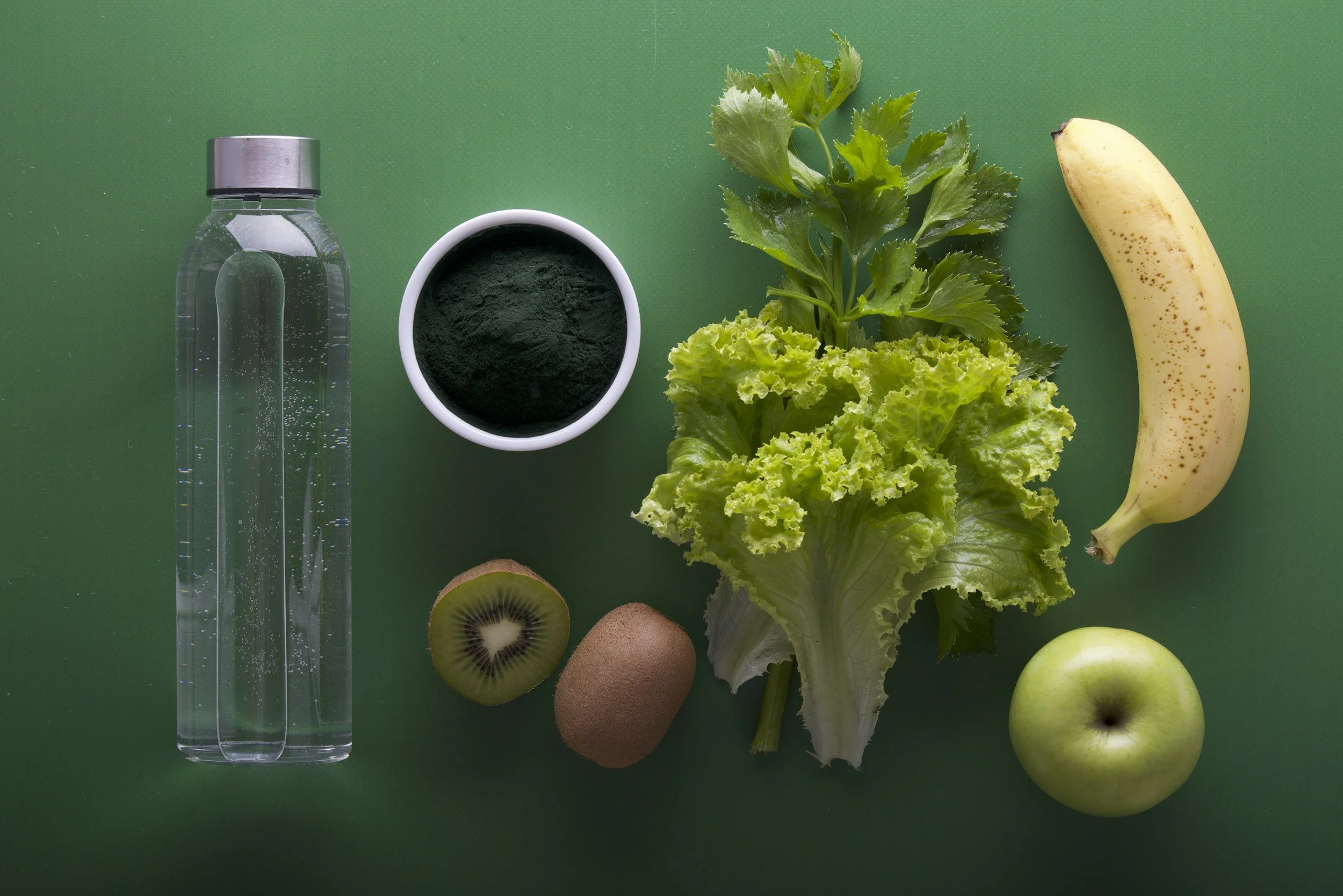
Image of foods to support digestion
5. When symptoms persist, testing can help uncover the root cause
Ongoing digestive symptoms should not simply be dismissed or put up with. When symptoms continue, testing can help move the conversation beyond guesswork and towards a clearer plan.
In clinic, I may recommend functional testing to explore areas such as:
food reactions and inflammation
intestinal permeability
digestion and absorption
gut inflammation
the gut microbiome
bacteria, parasites or other imbalances
This can be especially helpful for people experiencing persistent bloating, reflux, constipation, diarrhoea, alternating bowel habits, food intolerances or IBS-type symptoms. Take a look at the tests here.
I also weave in genetic testing where appropriate. While your genes do not diagnose a digestive disorder, they can give valuable insight into the terrain behind your symptoms. Genetic testing can help us explore areas such as:
inflammatory tendencies
detoxification capacity
methylation pathways
histamine processing
stress resilience
nutrient needs relevant to gut repair and digestive function
For example, if someone has bloating alongside hormone symptoms, fatigue, food reactions, poor stress tolerance or a family history of inflammatory conditions, genetic insights can help shape a more personalised nutrition and lifestyle plan. It can also be especially useful when someone feels they are doing all the right things but still not getting results.
6. Digestive health affects more than the gut
Digestive health influences much more than bowel symptoms alone. The gut can have a far-reaching impact on energy, immunity, hormone balance, skin health and long-term wellbeing.
This is why I take a root-cause, whole-person approach. Digestive symptoms are often connected with other systems, including hormones, stress, blood sugar regulation, immune balance, skin health and nutrient status. If you experience bloating alongside PMS, perimenopause symptoms, fatigue, headaches, skin flares or anxiety, it may be a sign that the gut deserves closer attention.
This broader approach is also reflected in my teaching. Both the Gut Health Masterclass and the 21-day Gut Transformation Programme are designed to help people understand that improving digestion is not just about easing tummy symptoms, but about supporting overall health and feeling better day to day.
Ready to get to the root of your digestive symptoms?
If your digestion has not felt right for a while, it may be time to stop guessing and start looking at the bigger picture. Whether you are dealing with bloating, reflux, constipation, diarrhoea, food sensitivities or a diagnosis such as IBS, a personalised plan can make a real difference.
You do not have to put up with feeling uncomfortable after every meal or worrying about what food will do next. Support may involve simple nutrition and lifestyle changes, functional testing, genetic testing, or a combination of all three depending on your symptoms and history.
You can book a discovery call with me to explore your symptoms, identify possible triggers and discuss the best next steps for your gut health by clicking the link below.