
Mercury, MTHFR and Methylation: Why Oral Health Matters More Than You Think
Have you ever wondered how a single metal in your mouth could silently affect your energy, mental clarity, or hormone balance? If you have MTHFR gene variants or poor methylation, understanding your body’s ability to detoxify — especially from mercury — is crucial.

As a registered nutritionist specialising in nutrigenomics, I recently had a mercury amalgam filling safely removed. I’d been planning it for years — because I knew my genetics didn’t equip me to detoxify mercury efficiently. If you're exploring methylation testing or trying to optimise your long-term health, this is a topic worth understanding.
What is Methylation, and Why Does It Matter?
Methylation is a core biochemical process that happens billions of times per second in every cell. It supports:
Detoxification of heavy metals and chemicals
DNA repair
Neurotransmitter production (e.g. serotonin, dopamine)
Hormone balance
Cardiovascular health
Energy production
Poor methylation can lead to fatigue, brain fog, hormonal imbalances, and increased toxic burden.

The MTHFR Gene: Your Body's Detox Weak Link?
The MTHFR (methylenetetrahydrofolate reductase) gene produces an enzyme needed to convert folate into its active form (5-MTHF), which fuels methylation.
Some people carry variants (commonly C677T or A1298C), which reduce enzyme efficiency by 30–70%. This means reduced ability to process toxins — including heavy metals like mercury.
If you have an MTHFR SNP and are still carrying amalgam fillings, you may be more vulnerable to mercury retention, leading to:
Sluggish detox pathways
Neurological symptoms
Hormonal disruption
Inflammation
Gary Brecka, a human biologist and bio-optimisation expert, often speaks about the link between MTHFR mutations and reduced detox capacity — particularly around mercury’s role as a neurotoxin. In his words:
“If you don’t methylate properly, you can’t detoxify mercury effectively. You carry a toxic burden that’s slowly inflaming your body from the inside out.”
Mercury Fillings: The Hidden Burden
Dental amalgams are made of ~50% elemental mercury, which can vaporise and be absorbed into the bloodstream — especially when chewing, brushing, or consuming hot drinks.
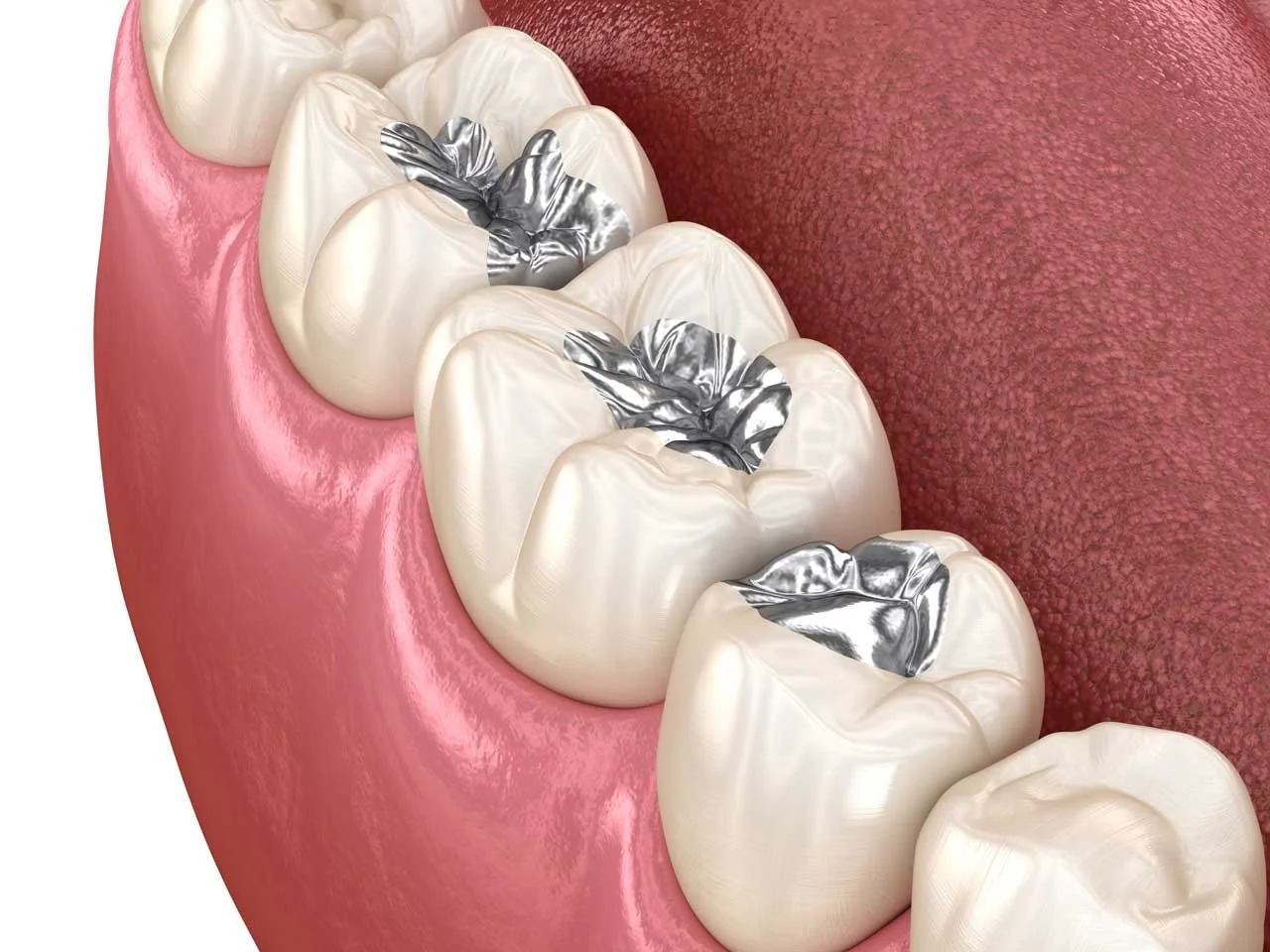
Mercury is known to:
Inhibit enzymes that drive methylation
Disrupt mitochondrial function
Contribute to anxiety, depression, insomnia, and fatigue
Suppress immune function
If your methylation pathways are already compromised, the body can accumulate mercury, increasing your toxic load and interfering with critical systems — especially the brain, liver, and kidneys.
The SMART Protocol: Safe Mercury Removal
When I chose to have my amalgam removed, I did so with a holistic dentist trained in the SMART protocol (Safe Mercury Amalgam Removal Technique). This involves including:
Oxygen supply via nasal mask
A rubber dam to isolate the tooth
High-volume suction and air filtration
Full-body barriers for patient and practitioner
Immediate detox support after removal
Without these steps, mercury vapour exposure during removal can be even more harmful than leaving it in.
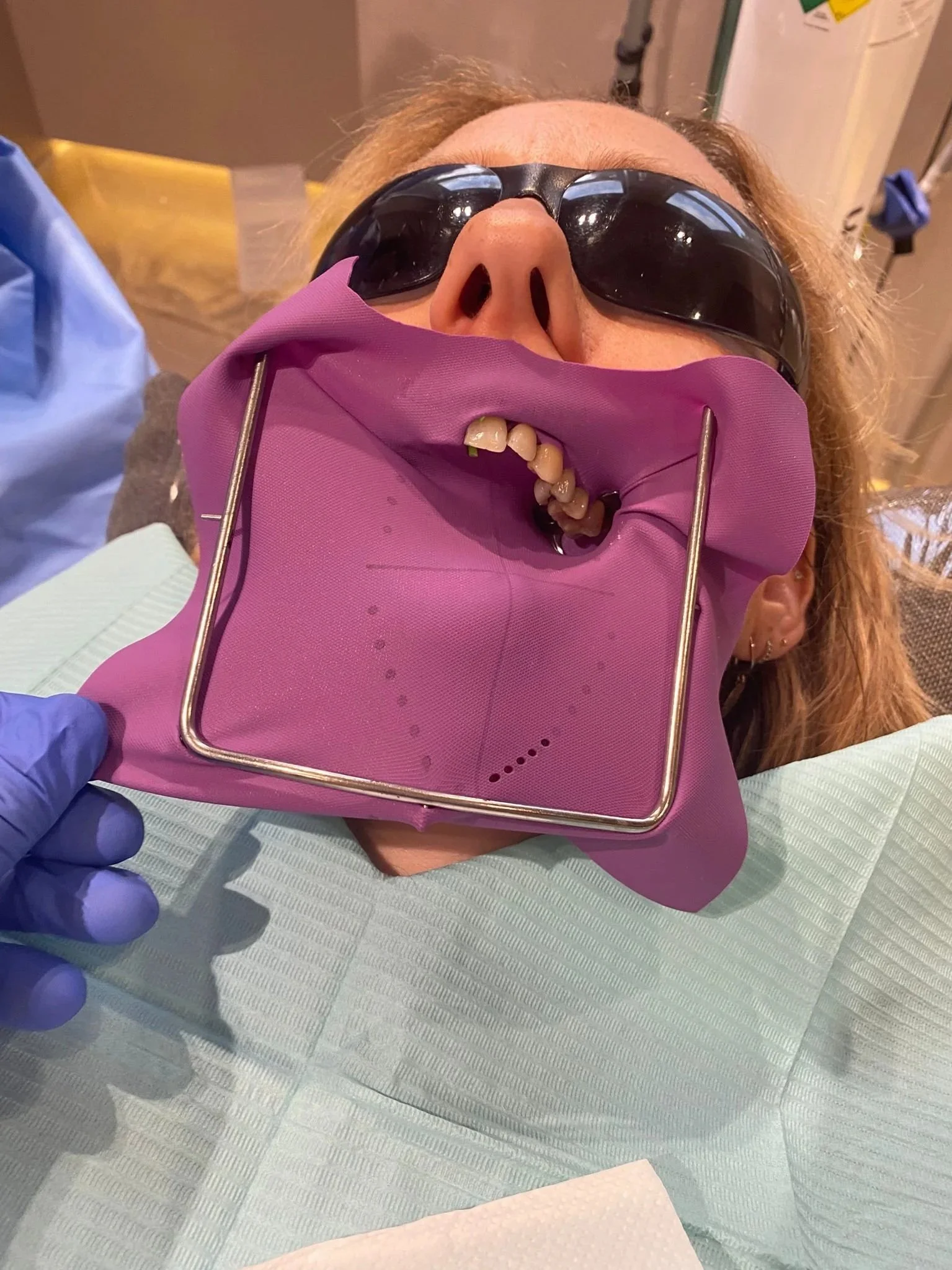
The rubber dam on my teeth
Oral Health, Methylation & Nitric Oxide: The Overlooked Link
It’s not just fillings that affect methylation. Oral health in general is a key factor.
Poor gum health and chronic oral inflammation can increase systemic inflammation, demanding more methylation resources.
The oral microbiome plays a vital role in nitric oxide production, essential for blood flow, energy, and cardiovascular health.
Disrupted oral microbiota or the use of antibacterial mouthwashes may reduce nitric oxide synthesis, which is already compromised in some MTHFR individuals.
Maintaining a healthy mouth supports your detox, nitric oxide, and cardiovascular systems — all tied into the methylation cycle.
Supporting Your Methylation and Detox Pathways
If you’ve discovered you carry MTHFR variants, there are practical, supportive steps you can take — even before mercury removal:
Nutrition:
Load up on leafy greens for natural folate (e.g. spinach, rocket, romaine)
Include sulphur-rich foods (onions, garlic, cruciferous veg) for liver detox
Eat colourful, polyphenol-rich plants daily
Supplements (always personalised through testing):
5-MTHF or methylated B-complex if deficient
Glutathione or NAC for antioxidant protection
Magnesium to support enzyme function
Lifestyle:
Filtered water and clean air
Daily bowel movements to remove toxins
Sauna, sweating, and gentle movement
Reduce toxin exposures: skincare, plastics, household chemicals
Ready to Understand Your Methylation?
I offer personalised methylation testing and interpretation using advanced nutrigenomic analysis. We look at genes like:
MTHFR
COMT
MTR/MTRR
CBS
GSTs (important for mercury detox)
From this, I create a tailored nutrition and lifestyle protocol to support your unique biology.
Key Takeaways
Mercury affects methylation — especially if you carry MTHFR variants.
Poor detox leads to fatigue, inflammation, and hormonal disruption.
Safe mercury removal using the SMART protocol is essential.
Oral health impacts both methylation and nitric oxide production.
Personalised methylation testing can unlock your roadmap to better energy, mood, and long-term wellness.
Interested in Testing Your Methylation Pathways?
Book a 1:1 consultation to explore your genetic blueprint and take control of your detox, energy, and health.
Visit: www.melaniefloodnutrition.com
Email: hello@melaniefloodnutrition.com